
Somewhere around the age of 14, many young people in a scouting-style programme start asking about the big one: an international camp, usually a jamboree, where tens of thousands of youth from more than a hundred countries pitch tents on the same field for ten days. A world jamboree is held every four years, in a different host country each time, and open to participants aged roughly 14 to 17 with adult leaders alongside. Regional and national jamborees run in the years between. Whichever it is, a first trip abroad with a youth group is a two-year project, and the planning is where most of the learning happens. Here is how we structure it.
Table of Contents
Start two years out
Large international events open registration 18 to 24 months ahead and fill in stages, so the calendar is fixed before anything else. We work backwards from the departure date: passports valid and in hand six months before departure, final payment typically three to four months before, flights booked eight to ten months before for the best fares, and a signed commitment from each family, with a first deposit, at the 18-month mark. A youth who is 13 when the planning starts will be 15 on the field, and that is exactly the point. The trip belongs to the young people, so from the first meeting they sit on the planning committee: one on budget, one on kit, one on travel documents, one on culture and language.
Passports and permissions
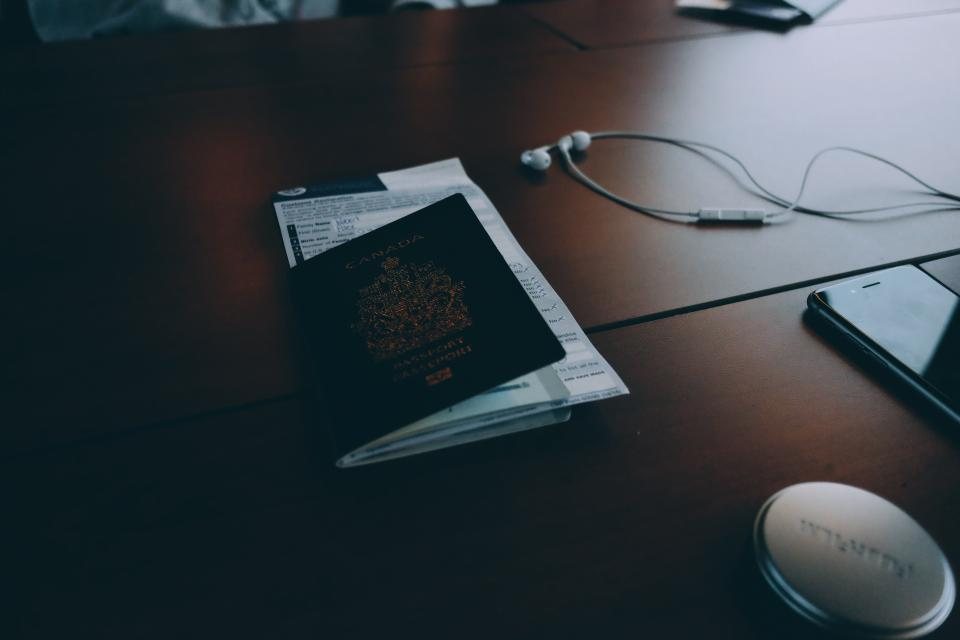
Every participant needs a passport, and for a group this is the most common cause of last-minute panic. A Canadian passport issued to a child under 16 is valid for five years, so a document obtained for a family holiday at age 10 may already be expiring; we photocopy every passport at the first meeting and put the expiry dates on a wall chart. Many countries refuse entry to a passport that expires within six months of the arrival date, so we treat six months of validity beyond the return date as the rule. Processing at a passport office can take several weeks in normal times and much longer in a busy spring, so applications go in a full year ahead. A youth born abroad, holding two nationalities or travelling on a non-Canadian passport may need a visa or an electronic travel authorisation that the rest of the group does not, and that is checked family by family, never assumed.
A minor travelling without both parents should carry a consent letter signed by the non-travelling parent or parents, ideally witnessed by a notary or commissioner of oaths, along with a copy of the birth certificate. Border officers ask for it more often than people expect. Group leaders carry a folder with copies of every passport, consent letter, health card, medication list and emergency contact, and a second set of copies stays with a designated adult at home.
Building an honest budget
The single biggest mistake we see is a budget that stops at the event fee. A realistic figure has six lines, and we present all of them to families on the first evening rather than letting the total grow in stages.
- Event fee, which usually covers food, the site and programme for the duration of the camp, but rarely airport transfers or pre-camp accommodation.
- Flights and ground transport, including the return trip to the airport at home and any nights in transit.
- Travel and medical insurance with emergency evacuation cover, bought per person, not assumed from a provincial health plan that pays little or nothing abroad.
- Kit: a new pack, boots broken in months ahead, a summer sleeping system suited to the destination, and the group’s uniform items and trade badges.
- Spending money and a contingency held by the group, typically 10 percent of the total, for a missed connection or a lost bag.
- Pre- or post-camp touring, if the group chooses to add a few days in the host country, which many do and which can double the cost.
Once the total is known, fundraising is planned as a series of events with dates and targets, spread over 18 months, and every participant is expected to earn a meaningful share of their own fee. That share is the reason the trip is remembered as something they did, not something they were given.
Health, insurance and consent
A visit to a travel health clinic six to eight weeks before departure sorts out any vaccinations the destination requires and confirms that routine immunisations are current. Every youth’s medications go in original containers in carry-on luggage, with a doctor’s note for anything injectable or controlled. Insurance policies are read, not just bought: we check the medical limit, the evacuation clause, the exclusions for adventure activities, and whether the policy covers a pre-existing condition. Leaders know who has an allergy, who carries an auto-injector and where it is at all times.
Leadership, ratios and the rules of the road
We travel with at least two adults for the first eight youth and one more for every four beyond that, with adults of more than one gender for a mixed group, and the same youth protection standards away from home as at home: no adult ever alone with one young person, and buddies at all times in public places. Phones are useful and also a liability; we set expectations for roaming plans, chargers, adapters and a nightly check-in with families, then put the phones away for most of the day. A group meeting each evening reviews the next day, and a code word tells any member they can leave a situation without explanation.
Culture, language and coming home
The camp itself is the easy part. The value of an international trip is what the group learns in the six months of preparation about the host country: a few dozen phrases in its language, its food, its customs around greetings and dress, and the history of the site they will camp on. We ask each patrol to teach the rest of the group something about the destination, and we build a small exchange kit of badges, pins and cards to trade. On return, the group presents what it learned to the younger members and to the families who funded it. That closes the loop, and it starts the next group asking about the big one.